
iWay vs MuleSoft ESB: Key Differences for Enterprise Integration Teams in 2026
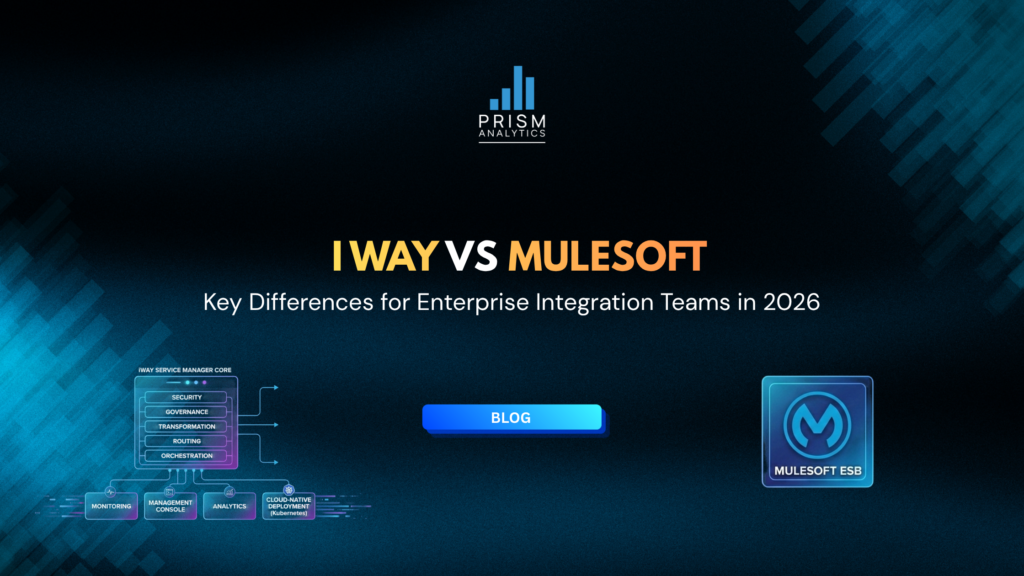
Introduction iWay Service Manager and MuleSoft Anypoint Platform are both enterprise integration platforms that appear in the same evaluation conversations, particularly for organizations reassessing their integration architecture. iWay has deep roots in adapter-heavy legacy integration and co-exists naturally with WebFOCUS and iWay data adapter environments. MuleSoft has established itself as the dominant modern API-led connectivity […]
iWay Service Manager Architecture Explained for Enterprise Integration Teams in 2026
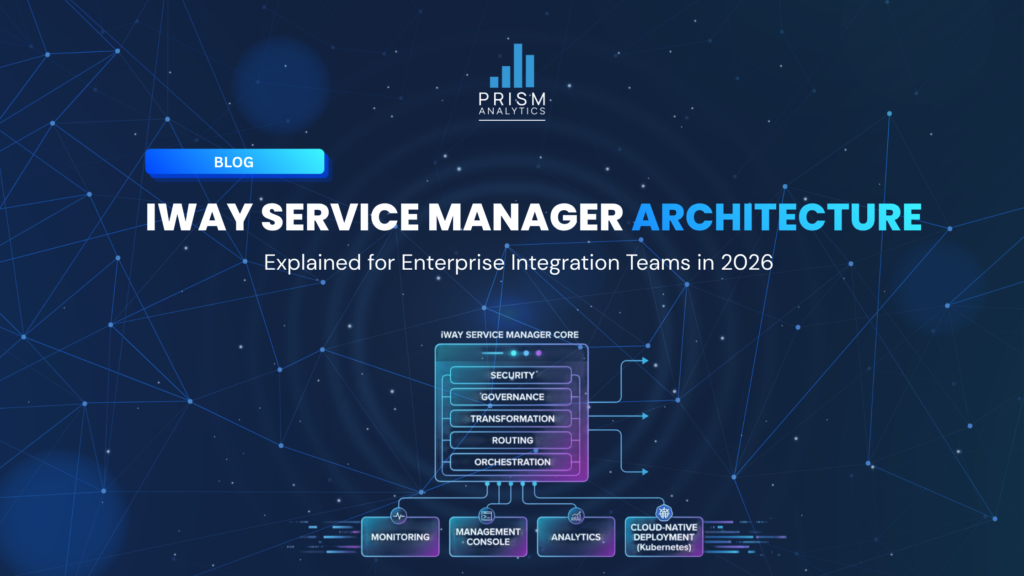
Introduction iWay Service Manager (iSM) is an Enterprise Service Bus product that has been in production in enterprise environments for decades, particularly in organizations that already run WebFOCUS for reporting and iWay adapters for data integration. For architects evaluating integration tooling in 2026, the relevant questions are not about basic ESB concepts — they are […]
Denodo vs Snowflake vs Databricks: Choosing the Right Data Platform in 2026
Introduction Denodo, Snowflake, and Databricks appear in the same enterprise data platform evaluation conversations frequently enough that comparing them has become a common task for data architects. The problem is that the comparison is often framed as a competitive one — which tool is best — when the more useful frame is: what problem does […]
Denodo Performance Tuning Best Practices for Enterprise Deployments in 2026
Introduction Denodo data virtualization performance problems almost always have the same root cause: the platform is being used as a query router when it should be used as an intelligent query optimizer, or the caching layer has been configured for convenience rather than for workload profile. The Denodo query optimizer is sophisticated, but it makes […]
Power BI Semantic Model Design Best Practices for Performance in 2026
Introduction When Power BI reports are slow, the instinct is to optimize DAX expressions or switch from Import to DirectQuery. In most cases, the actual problem is upstream: a poorly designed semantic model that forces inefficient query patterns regardless of how the DAX is written. Slow reports are almost always a data model problem first […]
Power BI Row-Level Security: Static vs Dynamic RLS Implementation Guide for 2026
Introduction Row-Level Security in Power BI is one of those features that looks simple in a tutorial and gets complicated fast in production. Static RLS works cleanly for small, stable role structures. Dynamic RLS is the right approach for almost every enterprise scenario — but it introduces data model dependencies, DAX function requirements, and testing […]
Microsoft Fabric Architecture Explained for Data Engineering Teams in 2026
Introduction Most introductions to Microsoft Fabric describe it as “a unified analytics platform.” That framing is accurate but functionally useless for a data engineer trying to understand how data flows between components, where compute runs, how storage is billed, and what the right design patterns are for production workloads. This post covers the Microsoft Fabric […]
Microsoft Fabric vs Azure Synapse Analytics: What Data Engineers Need to Know in 2026
Introduction The question data engineering teams keep revisiting in 2026 is the same one that emerged when Microsoft launched Fabric in 2023: is this replacing Synapse, and if so, when should we move? The answer from Microsoft is that Fabric is the next evolution of Synapse — the corporate VP of Azure Data described Fabric […]
WebFOCUS ReportCaster: Enterprise Scheduling and Distribution Architecture in 2026
Introduction Most WebFOCUS teams treat ReportCaster as a scheduler that sends reports by email. That description is technically accurate, but it dramatically undersells what the tool does architecturally — and why the decisions made during ReportCaster configuration have downstream effects on performance, security, and compliance that are hard to undo later. This post covers the […]
WebFOCUS 8.2 vs 9.3.7: Key Differences Enterprise Teams Need to Know in 2026
Introduction WebFOCUS 8.2 has been a workhorse for enterprise reporting teams for years. But with TIBCO designating 9.3 as the first long-term support release of the platform, guaranteed for five years of stability through customer support, regular service packs, and hot fixes, the question is no longer whether to upgrade but what exactly changes and […]