
iWay vs MuleSoft ESB: Key Differences for Enterprise Integration Teams in 2026
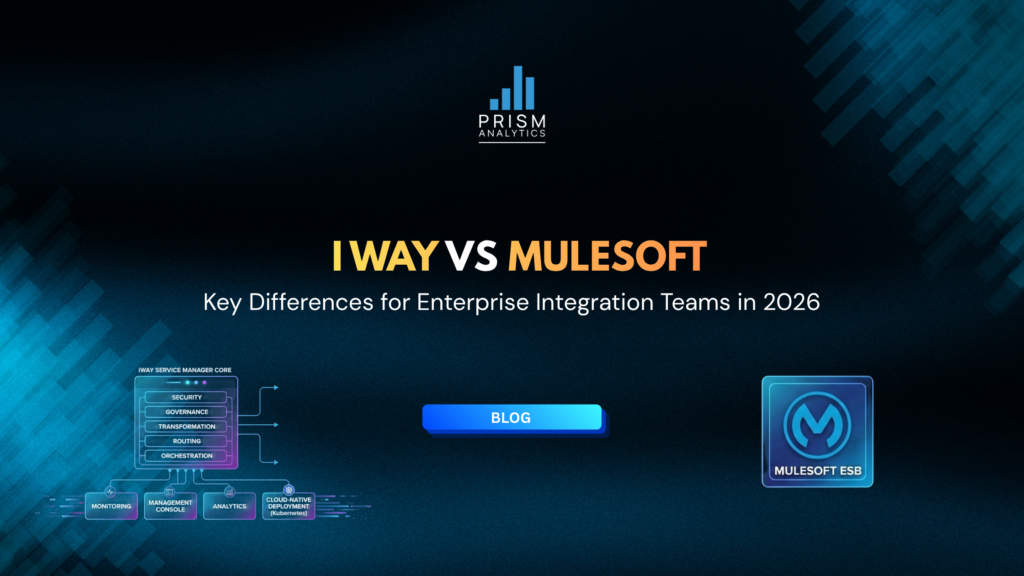
Introduction iWay Service Manager and MuleSoft Anypoint Platform are both enterprise integration platforms that appear in the same evaluation conversations, particularly for organizations reassessing their integration architecture. iWay has deep roots in adapter-heavy legacy integration and co-exists naturally with WebFOCUS and iWay data adapter environments. MuleSoft has established itself as the dominant modern API-led connectivity […]
Denodo Performance Tuning Best Practices for Enterprise Deployments in 2026
Introduction Denodo data virtualization performance problems almost always have the same root cause: the platform is being used as a query router when it should be used as an intelligent query optimizer, or the caching layer has been configured for convenience rather than for workload profile. The Denodo query optimizer is sophisticated, but it makes […]
Power BI Row-Level Security: Static vs Dynamic RLS Implementation Guide for 2026
Introduction Row-Level Security in Power BI is one of those features that looks simple in a tutorial and gets complicated fast in production. Static RLS works cleanly for small, stable role structures. Dynamic RLS is the right approach for almost every enterprise scenario — but it introduces data model dependencies, DAX function requirements, and testing […]
Denodo Platform 9.0: Features, Updates, and What It Means for Your Data Strategy
Introduction When Denodo released Platform 9 in June 2024, the company described it as a release developed over several years — and the scope of the changes reflects that. Platform 9.0 is not an incremental update. It marks a deliberate architectural shift: from a mature data virtualization engine toward what Denodo calls a “logical data […]
Denodo Data Virtualization: The Complete Enterprise Guide for 2026
Introduction Data silos are not a new problem. But in 2026, the consequences of ignoring them have never been more expensive — especially as enterprises race to feed AI models, build real-time dashboards, and serve self-service analytics to business teams who simply cannot wait for a data engineering sprint to finish. Traditional ETL pipelines were […]
Power BI Service: A Complete Guide for Business Teams
Introduction Most organizations adopt Power BI Desktop quickly. Power BI Service is where adoption stalls. The web-based platform that governs sharing, access control, scheduled refresh, and enterprise distribution is far more layered than the authoring tool — and misconfigurations here create real problems: stale reports, broken row-level security, runaway Premium capacity costs, and content that […]
Microsoft Fabric Pricing Explained (Is It Worth It?)

Microsoft Fabric pricing confuses even experienced data architects. Unlike Power BI’s familiar per-user model or Azure Synapse’s resource-by-resource billing, Fabric introduces a unified capacity model that bundles compute across every workload — data engineering, warehousing, real-time analytics, and BI — into a single pool of Capacity Units (CUs). Get the sizing right and it is […]
ibi WebFOCUS 9.3.7 Release Notes: A Practitioner’s Summary of What Changed and Why It Matters
If you manage a WebFOCUS environment, you’ve probably learned to read release notes carefully. Not because every version is a game-changer, but because the details tell you what’s stable, what’s been patched after months of production pain, and (reading between the lines) where the platform is and isn’t investing. WebFOCUS 9.3.7 shipped in March 2026, […]
6 Compelling Reasons Businesses Are Modernizing Their Analytics & BI Platforms

Why modern BI matters: 6 urgent reasons to upgrade your analytics for agility, scale, and AI readiness.
5 Signs Your Legacy BI Tool Is Costing You More Than Money
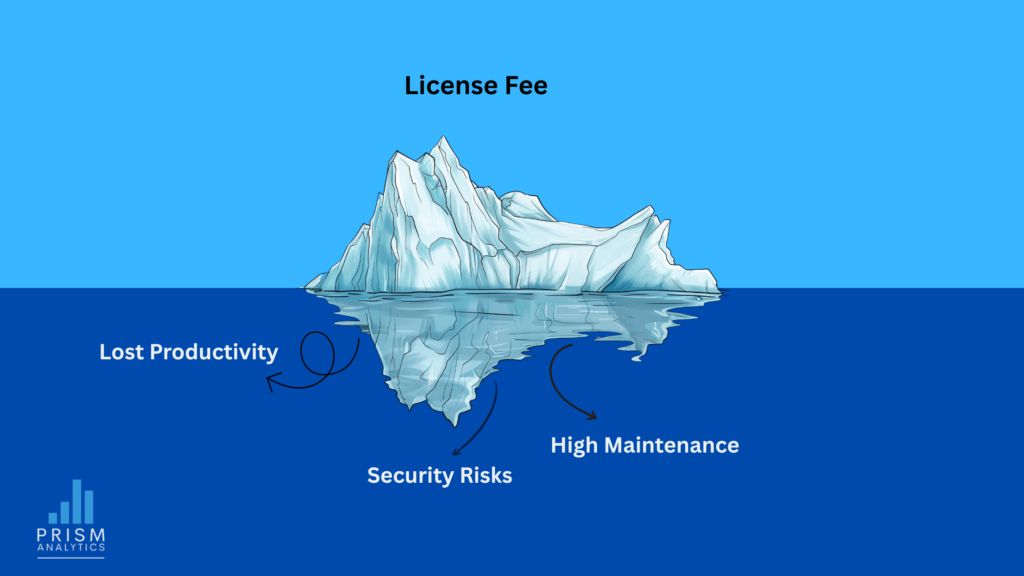
Learn how to move from a siloed reporting utility to an integrated analytics capability that enables governance and powers AI.